It’s 2025, and instead of relying on outdated and conventional methods, many businesses are adopting artificial intelligence, as it is dramatically changing how businesses operate and providing exciting opportunities. However, the real problems companies face when integrating AI strategies include a lack of a clear roadmap, limited AI skills and expertise, and concerns about the privacy and security of sensitive data.
If you are also facing similar issues, you don’t need to worry about it because we have come up with some simple yet most effective solutions to your problems. Process mining, task mining, communication mining, staff training, and data governance systems are the strategies that will solve all your problems. If you are still unsure, continue reading to learn more about these common barriers to AI adoption and get effective solutions to overcome them today!
3 Common Barriers to AI Adoption and How to Overcome Them
Despite its importance and widespread use, some companies are still facing barriers to AI adoption, including a lack of a clear roadmap, insufficient skills, and concerns about data privacy. If your business is also on the same boat, here we are going to discuss all the barriers and their solutions in detail:
Lack of a Roadmap
One of the most common barriers to AI adoption is the lack of a roadmap for capturing the value from AI. Most industries are impressed by AI and its adoption in business, but they struggle to utilize it at a granular level to initiate the process. Building a solid AI strategy and roadmap for accurate and beneficial use requires considerable effort. But most people are unsure where or how to begin. The first and most crucial step is to identify the transformative and valuable use cases of AI. By accessing them, you get a starting point and quantify the real potential of artificial intelligence and its right adoption in the industry. If you find yourself in a similar situation, here are some practical ways to approach it wisely:
- Process Mining: If your organization’s software misses something important, process mining is there to analyze all those digital footprints. It helps you understand all the necessary business processes, from start to finish. Not only this, but it can also design a process map for you, allowing you to identify the points in the workflow where the use of AI will yield the most significant benefit. For example, there is a package that moves from order placement to product delivery. In this journey, various aspects, such as online ordering systems, inventory software, and other applications, are involved. With the use of process mining, you can identify the causes of shipping delays or other issues that are occurring.
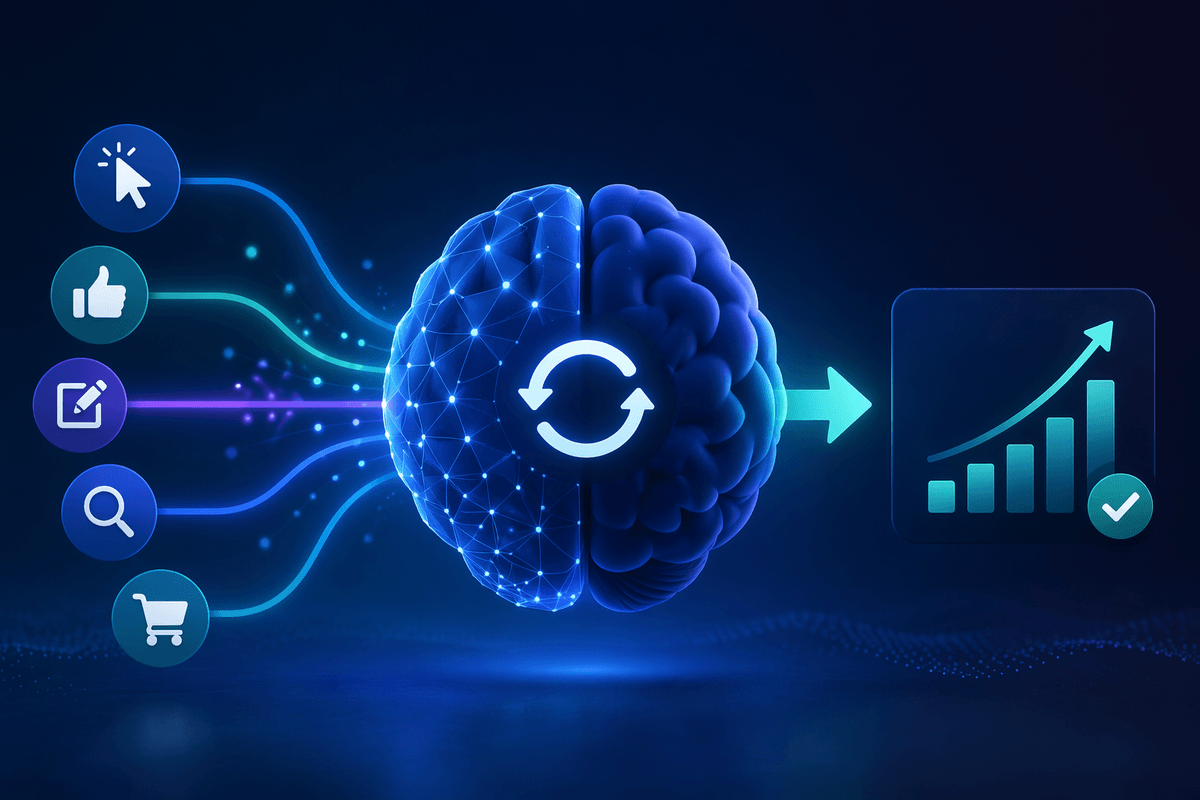
- Task Mining: It focuses on your desktop activities to identify the areas where improvement is needed. It captures variations of the task and merges them into a graph to highlight the deficiencies. It collects users’ data from clicks, user inputs, keystrokes, and recordings, among other sources. It can be combined with the log data to streamline the performance of the AI systems.
- Communication Mining: It uses powerful AI models, including LLMs, to process the unstructured data in customer call transcripts, tickets, emails, and messages. You can use this information to gain a deeper understanding of your customers and their needs. Not only this, but it also helps you make informed decisions. For example, organisations that previously spent too much time sifting through emails now do it all through AI automation tools within minutes. Communication mining transformed the process for them by automatically extracting vital information.

Limited AI Skills and Expertise
Most organizations complain that a lack of knowledge and expertise is the most significant hurdle to using AI for their business. Now, the industry and businesspeople need to understand that they don’t need expensive AI talent or professionals to generate real value from it, especially if they don’t have a sufficient budget. Numerous low-code tools are available that can automatically train and tune AI models. The AI models that are built on active learning are trained faster without compromising accuracy.
On the other hand, obtaining guidance from a service partner can also be beneficial, particularly if the company has a limited budget. The service partners have a variety of technology experts who help you find the right direction and implement your AI strategy effectively. Moreover, organizing training programs for your team is also crucial. This training program should consist of the following aspects:
- Even if your staff is familiar with AI, they must understand how it applies to the business and recognize its benefits.
- Encourage your team to try the use cases that apply to the routine tasks. It is because it is difficult to understand a new technology without seeing its applications in real life.
- Teach them about the risks and ethical concerns associated with artificial intelligence.
Concerns About Privacy and Security
No doubt, everyone around us is utilizing AI for various purposes, but at the same time, people are concerned about the privacy and security of their sensitive data. As more industries adopt AI, they want to ensure that it’s trustworthy and their data remains safe and secure. Sometimes, AI models collect your essential data without your consent, but users expect transparency regarding the collection and use of their data. Additionally, unchecked surveillance and bias are other issues that users encounter. Now the question is, what is the solution to this problem? The first step is to implement strict data governance policies. Ensure your team adheres to AI ethical policies to protect the data. It is also essential to communicate regularly with stakeholders. Discuss with them how AI models are using their data and what measures are to be taken to protect it.
Conclusion:
In this digital era, artificial intelligence is emerging as a transformative force in almost all sectors. It offers a personalized customer experience and efficient automation of repeated tasks, but that doesn’t mean it’s easy to implement AI into your business; it comes with various hindrances. Data privacy and security issues, a lack of AI knowledge and skills, and the absence of a strategic vision are the most prominent challenges of artificial intelligence. You can overcome these challenges by utilizing process mining, task mining, communication mining, and data governance, which can solve all your problems.